
I believe the purpose of supervision is not to produce practitioners who need their supervisor less because they have all the answers. It is to support practitioners to think critically, reflect deeply and increasingly trust themselves as they navigate complexity.
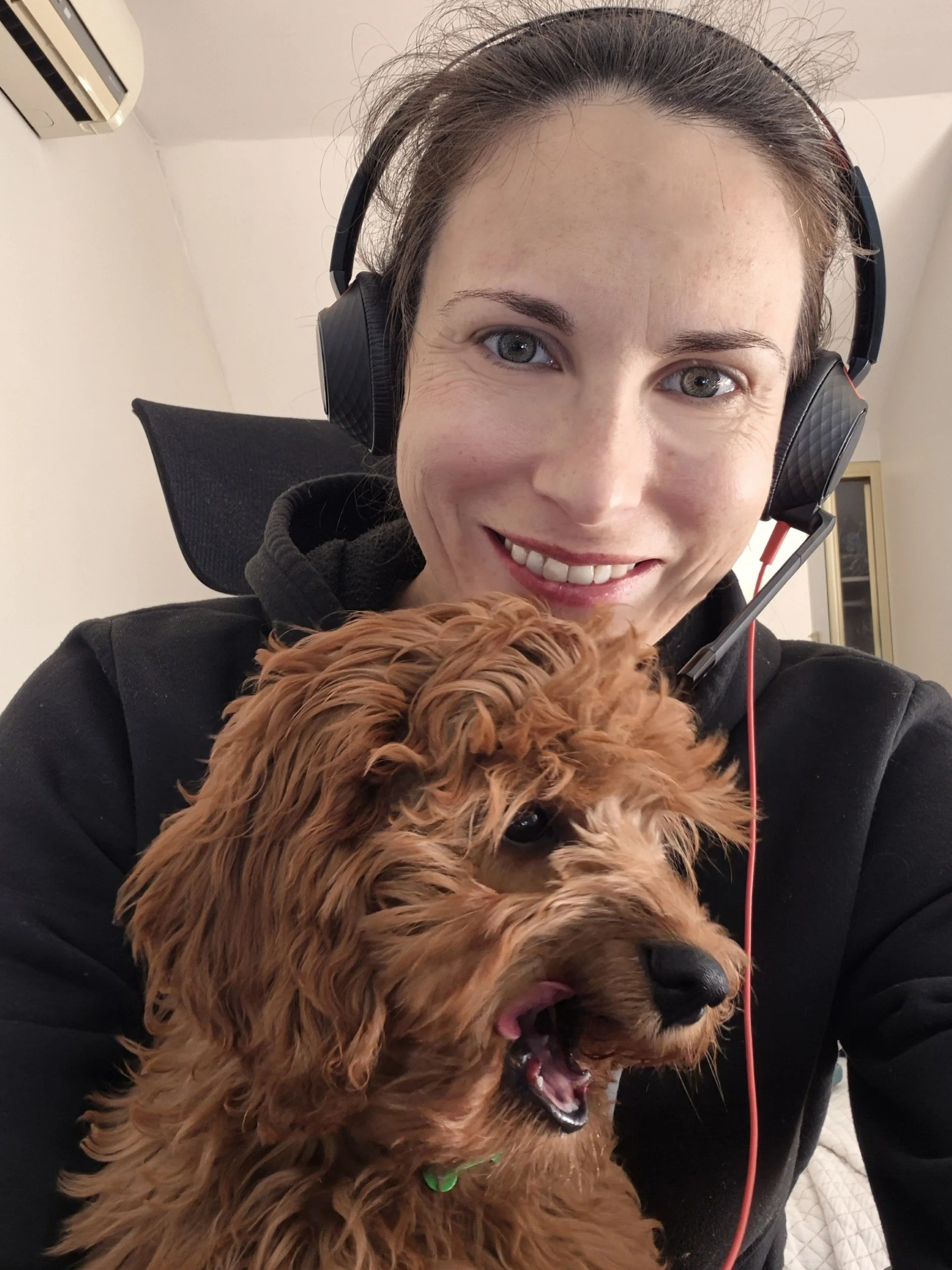
About me
I’m Jennifer, a social worker and clinical supervisor with a professional background spanning statutory child protection and domestic and family violence practice in Aotearoa New Zealand and Australia.
I’ve spent the past 13 years working in social work as both a practitioner and supervisor. This includes 12 years in statutory child protection in Aotearoa New Zealand and, more recently, working in domestic and family violence in Sydney. Throughout my career, I’ve worked directly with children, families and adults facing highly complex circumstances, while supervising social workers and supporting teams through the realities of frontline practice.

What I bring
So, I know that social work isn’t always tidy.
Sometimes there isn’t a clear right answer. Sometimes you leave a conversation wondering whether you could have done something differently. Sometimes the hardest part isn’t knowing what to do — it’s carrying the emotional weight of doing it.
That’s where I think supervision matters.
I don’t see supervision as simply a place to talk through cases or tick off professional requirements. I see it as a space to step outside the immediate demands of your work and look at your practice with fresh eyes.
Together, we can explore the things that are sitting heavily, unpack challenging situations, question assumptions, make sense of your responses and identify what might be getting in the way of your practice. We can also recognise what’s going well, because professional growth isn’t only about fixing what’s wrong.
My approach has been shaped by practising in both Aotearoa New Zealand and Australia, and by working across child protection, domestic and family violence and clinical supervision. These experiences have strengthened my appreciation of context, culture, power and the many systems that influence how social workers practise.
I hold a Bachelor of Social Work and a Postgraduate Diploma in Clinical Supervision. My supervision practice has developed through formal clinical supervision training alongside years of working with practitioners in complex statutory and frontline environments.
I bring this experience into supervision while recognising that every social worker is different. Your experiences, values, culture, personality, strengths and ways of learning all shape how you practise. I’m interested in understanding who you are as a practitioner, not only what you do.
I aim to create a supervision space that is grounded in trust, honest enough for challenge and open enough for uncertainty. You don’t need to arrive with everything figured out.
You can bring the case you are stuck on, the conversation you keep replaying, the decision you are unsure about, the feeling you cannot quite name or the professional dilemma without an easy answer.
You can bring the things you’re proud of, too.
Who I work with
My supervision is particularly suited to social workers and practitioners working in complex, relational and emotionally demanding environments.
This includes practitioners working in:
Domestic and family violence
Child protection and child and family practice
Statutory and government services
Community and social services
Trauma-informed and crisis services
Case management and other frontline roles
I also work with practitioners who are new to the profession, developing their practice, stepping into leadership or supervision, or simply looking for a space to think more deeply about their work.
You don’t need to work in one of these areas to benefit from supervision. What matters most to me is a willingness to reflect, question and continue developing your practice.